A partnership, not a programme.
The Second Chance Partnership is a UK coalition of employers hiring people directly out of prison. A letter in the cell, a job on release, mentorship through the first twelve weeks. Founded in 2025 by Revd Paul Cowley MBE, building on the model he established as Director of Rehabilitation at Iceland Foods.
Employing prison leavers isn't charity — it's good business.— Paul Cowley MBE · FOUNDER
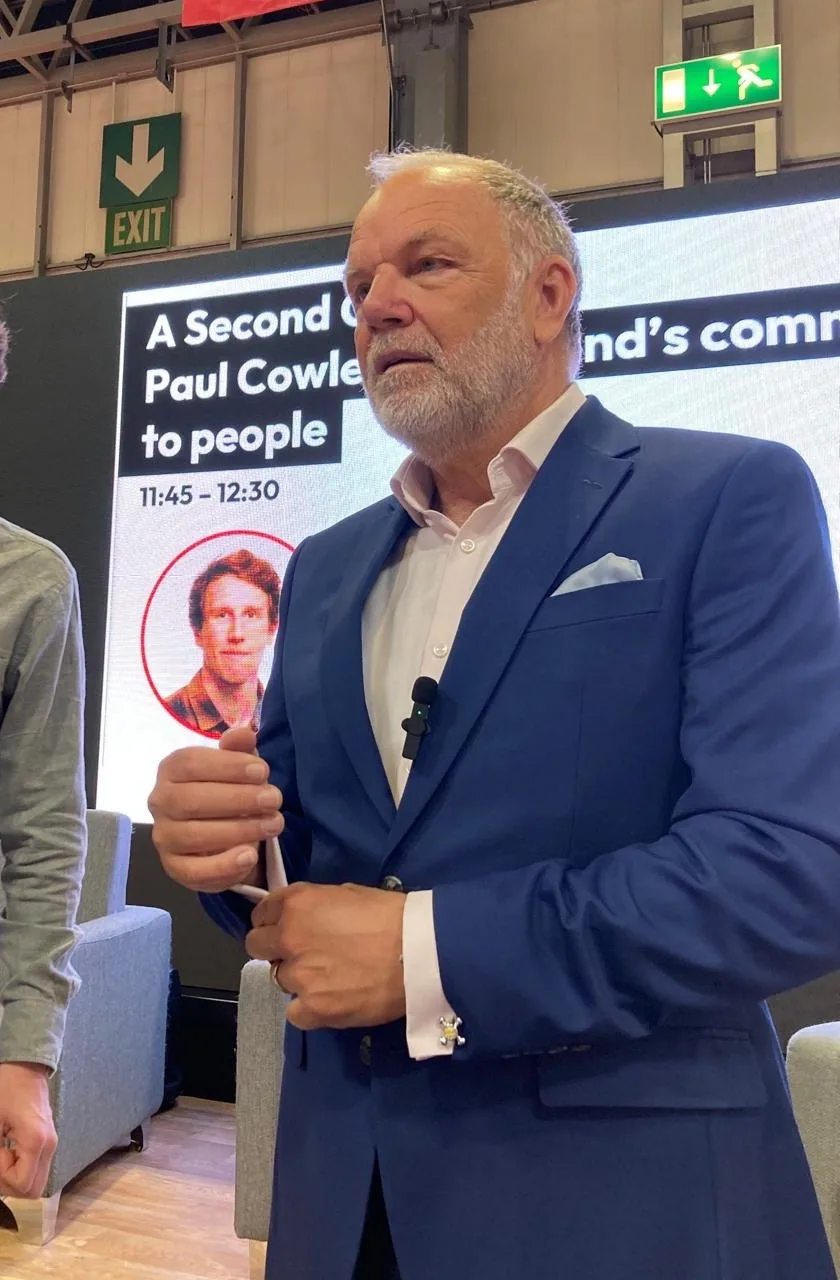
Where the second chance came from.
Borstal at fifteen. Seventeen years in the Army, after a recruiting sergeant took a chance on him. A Bible found in his dead mother's things. And a stranger in a Botswana bar who turned out to have founded Iceland Foods. Paul tells it himself.
Read the story →Three steps. One letter.
-
01
Interview inside
SCP meets candidates inside prison in the final six months of their sentence. Paul and his team run face-to-face interviews in partnership with each prison's Employment Lead. Eligibility is strict: no sex offences, no arson, no terrorism, no active drug dependency, no life sentences.
-
02
The letter
Successful candidates receive a letter in prison guaranteeing them a job on release. If no vacancy is ready, the employer sponsors the position for the first twelve weeks. On the day they walk out, there is work waiting.
-
03
The first twelve weeks
SCP works with a specialist mentorship partner through the first twelve weeks of employment. Paul's team stays reachable to both the new employee and their employer, for as long as the placement needs it.
A growing coalition.
SCP works with employers that can offer prison leavers a guaranteed job on release. Three national partners are on board; others are in discussion.
-
Founding partner
Iceland Foods
UK frozen food retailer. More than 1,000 stores, 30,000+ employees across Iceland and The Food Warehouse.
-
Partner, 2025
GXO
The UK's largest contract logistics provider. More than 40,000 UK employees across 42 UK sites.
-
Partner, 2025
2 Sisters Food Group
UK food manufacturer. 17,000+ staff.
The operational side.
If you'd like to learn more about the Second Chance Partnership — the model, the employer partners, the process inside prisons, and the early results — it has its own home on the web, with far more detail than would fit on this page. Whether you're an employer weighing up the coalition, a prison chaplain or resettlement officer thinking about a referral, or simply someone who wants to follow the work as it grows, that's where to go.
If you give people coming out of prison a proper job, then it reduces reoffending. That's the bit we can do constantly.— PAUL COWLEY MBE